The Parlour Before the Living Room
The parlour and living room reflect different patterns of use. Learn how to arrange a front room for guests, daily routines or both, without forcing a label.
Is your front room for guests, daily life, or the post nobody has dealt with? The parlour and living room offer two useful names for thinking about how a room is used, though neither dictates its furniture or its rules.
A parlour is commonly associated with receiving visitors, while “living room” describes a room for ordinary household life. The terms overlap, and their meanings have varied between homes and over time. What matters in practice is less the label than whether the room supports the people and activities it is meant to hold.
Start with the room’s actual use. A name can clarify its purpose, but it cannot make an unused sofa inviting or turn a busy family room into a quiet place for conversation.
Guest reception
If you mainly use the room to receive visitors, arrange it for conversation. That does not require a velvet rope or furniture no one is allowed to sit on. It means giving people somewhere comfortable to sit and enough space to arrive without an obstacle course.
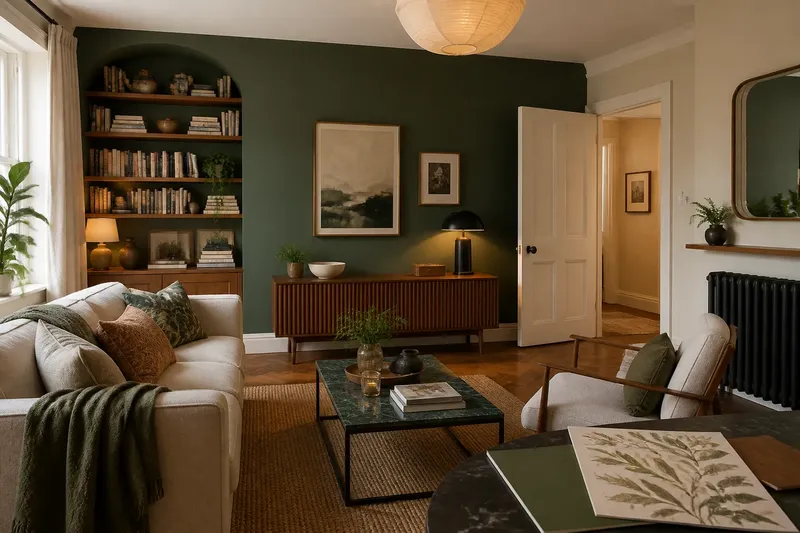
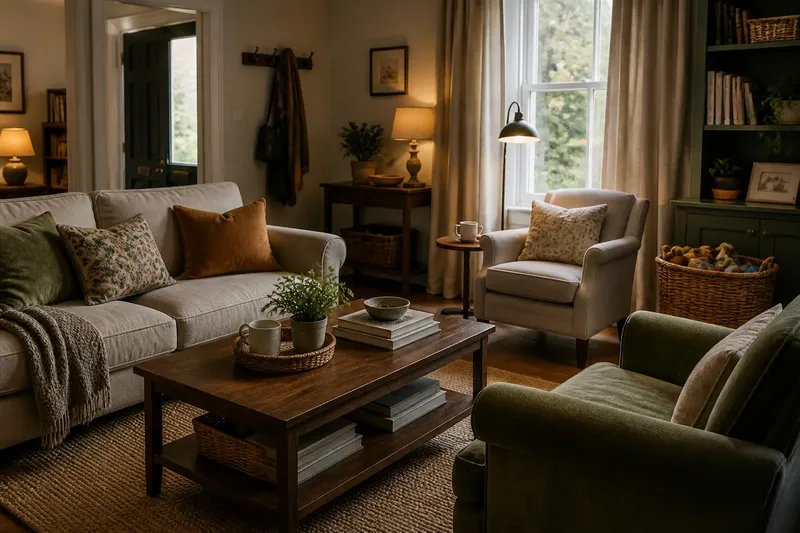
Place seats so people can see one another without speaking across a long room. A pair of armchairs angled towards a sofa may work better than a row of chairs facing the television. Put a small table within reach for cups, and keep the route from the entrance clear.
Consider what happens when people visit. For a quiet chat, a reading lamp and a place to hang a coat may matter more than a large screen. If meals happen elsewhere, there is no need to make the room imitate a dining room.
A separate reception room can offer a quieter place away from cooking, play or work. If visitors rarely come and the room is seldom used, though, preserving a formal space solely because its name sounds proper may leave useful space idle.
Daily household use
If the room is occupied throughout the day, start with the activities that recur: reading, television, play, folding laundry or sitting together while someone uses a laptop. The furniture should support those habits without turning every surface into storage.
Give the most frequent activity a comfortable position, then make room for other uses. A sofa facing a screen may suit a household that watches films together. If conversation matters more, angle the seats towards each other and put the screen off-centre or elsewhere. There is no domestic law requiring the television to occupy the best wall.
Shared rooms need a place for everyday objects to return to. A basket for toys, a shallow tray for remotes and a shelf for current books keep things accessible without making the room look unused. Choose storage to suit what it holds; a deep cabinet for a few small items can become a cupboard of mysterious significance.
Flexible arrangements
If a room serves visitors and household routines, avoid choosing between “parlour” and “living room” as though the label settles the design. Separate uses by time, furniture or degree of privacy instead.
A guest-ready area can sit near the doorway, with a coat hook, side table and seats arranged for conversation. A more informal area might be closer to the television or window. A rug, lamp or change in seating can suggest different uses without creating two miniature rooms.
Choose furniture that can change roles easily. A movable side table can serve a guest or hold a book during the week. Dining chairs brought in from another room may suit an occasional gathering better than keeping spare seats in the way. If children play in the room, closed storage nearby can make tidying simpler than a system that requires every object to be sorted by category.
Say you have a narrow front room used for weekday reading and occasional visits. Put a compact sofa along one wall, add a chair beside a floor lamp, and keep the centre open. The expected result is a room with a quiet reading place and room for two visitors to sit, without a major rearrangement. The trade-off is that the television may be less central; if watching together is the main activity, turn the sofa towards it instead.
Rooms left unused
If the best-looking room is rarely occupied, identify what makes it inconvenient before redecorating. It might be a heavy door, poor lighting, a route through another room or seating arranged for appearances rather than comfort.
Try one ordinary activity that currently happens elsewhere. Bring in a reading lamp, move a chair near a window, or make a small table available for a cup and book. Notice whether people choose to stay. If not, address the practical obstacle before adding another decorative object.
A quieter room may suit people who work from home, keep different schedules or need a calm place when the rest of the household is busy. Other households may use the space more often as a study or by opening it to an adjoining room. Choose according to how the rooms are used, not a rule that every home needs a dedicated living room.
Parlour and living room?
What was a parlour used for?
A parlour is commonly understood as a room for receiving visitors and social occasions. Its role varied between homes, so the name does not describe a single fixed arrangement.
What does living room mean?
“Living room” usually refers to a room for everyday household activities. It can also host visitors, reading or quiet conversation, depending on the people who use it.
Does parlour mean formal?
It often suggests a reception room, but the word alone cannot tell you how formal a room feels. Furniture, habits and the expectations of its occupants do more to set the tone.
Which name should I use?
Use the term that makes sense to the people who use the room, or leave it unnamed. When describing it to a builder, guest or estate agent, a familiar term is usually clearer than an appealing historical one.
Decisions by use
Use these checks to decide what to change. Each one links an observable feature to a practical choice.
- If visitors cannot reach a seat without moving furniture, clear the entrance route; if the route is already clear, keep the current layout and review the seating instead.
- If guests have nowhere to set a cup, add a small side table; if a surface is already within reach, do not add another table.
- If the room’s most frequent activity is watching television, orient the main seats towards the screen; if conversation is more frequent, angle the seats towards one another and move the screen off-centre.
- If toys or books regularly remain on the floor, add accessible storage near where they are used; if objects already return to a shelf or basket, keep that system rather than adding a cabinet.
- If the room feels difficult to enter because a door or furniture blocks the route, clear or alter that obstacle; if the route is open, look at lighting or seating comfort instead.
- If the room needs to change from family use to hosting, choose movable chairs or a side table; if it rarely changes role, arrange the furniture for its main use and avoid storing spare pieces in the way.
The parlour and living room are useful names for different emphases, not instructions. A room called a parlour can become the household’s favourite place to read; a living room can be arranged chiefly for guests. Watch where people sit, what they bring in and what they avoid doing there. Those clues will help you decide what the parlour before the living room means in your own home.